
Cangzhou Spiral Steel Pipes Group Co.ltd
The Solid Foundation for Project SuccessHome / All / Line Pipes / Pipeline for Oil And Gas / API 5L Spiral Welded Line Pipe – SSAW for Oil & Gas Transmission
API 5L Spiral Welded Line Pipe – SSAW for Oil & Gas Transmission
Our API 5L Line Pipe Spiral Welded Pipes, also known as SSAW (Spiral Submerged Arc Welded) pipes, are the industry backbone for long-distance transmission of oil and natural gas . Manufactured under the stringent American Petroleum Institute API 5L specification, our line pipes are available in PSL1 and PSL2 product specification levels, ensuring safety and reliability in both onshore and offshore projects .
At Cangzhou Spiral Steel Pipes Group Co.ltd, the spiral welding process enables the production of large-diameter, high-strength steel pipes with outstanding dimensional accuracy and durability . Our pipes feature stable chemical composition, excellent weldability, and high resistance to internal and external pressure, making them ideal for high-consequence areas, deepwater pipelines, and sour service environments. Backed by over 30 years of manufacturing expertise, we offer factory-direct pricing, strict quality control (100% NDT and hydrostatic testing), and full material traceability, ensuring your pipeline project's long-term success.
API 5L Line Pipe(SSAW Pipe) Specifications
| Outer Diameter(mm) | 219-3620(Customizable) |
| Wall Thickness(mm) | 6-24.5(Customizable) |
| Length(M)/Single Piece | 5.8m – 18m (Max up to 25-30 meters on request) |
| Pipe End | Plain End / Beveled End / Threaded End |
Bevel Angle of Pipe End | 30 °, allowable deviation is+5 °/-0 ° |
Root Face / Land of Pipe End | 1.6 mm The allowable deviation is ± 0.8 mm |
End Protection of Pipe End | Metal or high-strength plastic groove protectors should be installed at both ends |
Standard | API 5L PSL1 / PSL2 (46th Edition), ISO 3183 |
Steel Grades | Gr. B, X42, X46, X52, X56, X60, X65, X70, etc. |
Process | SSAW (Spiral Submerged Arc Welded) |
Mill Certificate | EN 10204 Type 3.1 / 3.2, Third-party inspection (SGS, BV, Lloyds) available |
Coating & Lining | 3LPE, 3LPP, FBE (Internal/External) |
API 5L Line Pipe Coating
The coating of API 5L SSAW steel pipes usually refers to external coating, which is mainly used to protect buried or underwater pipelines from corrosion. The most common types of standard coatings include 3LPE (three-layer polyethylene) and FBE (fusion bonded epoxy powder).
Cangzhou Spiral Steel Pipes Group Co. Ltd can provide coating services for your API 5L Line Pipe, with main coating types including 3LPE and FBE, as well as other coatings such as 3PP and inner coatings. Compliant with international standards such as DIN 30670, ISO 21809-1, API RP 5L9, etc. We have 4 production lines for API 5L spiral steel pipe coating services. Learn more about our comprehensive coating & lining services.
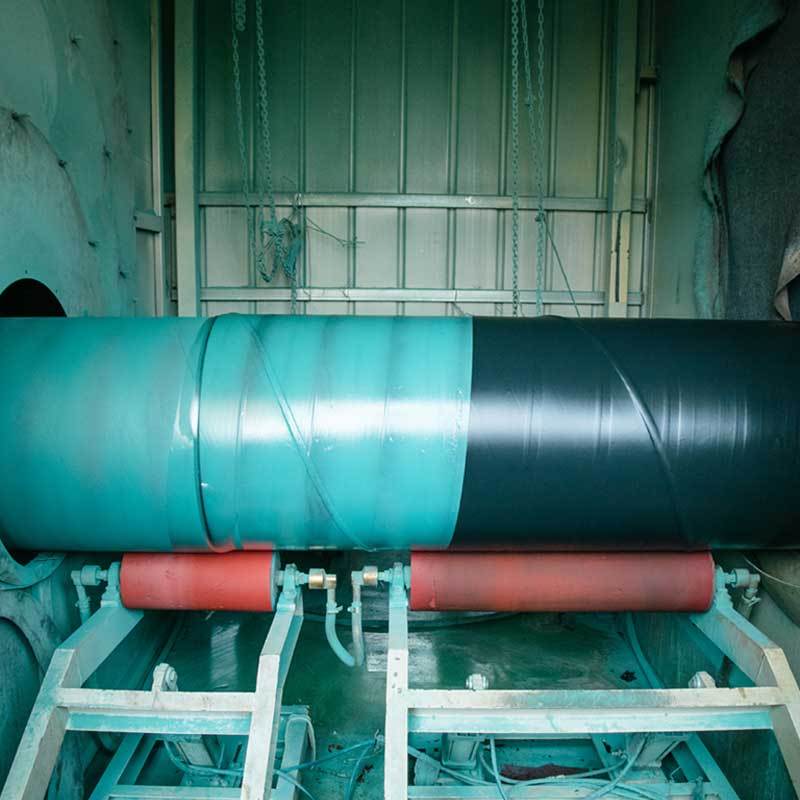
3PE production lines
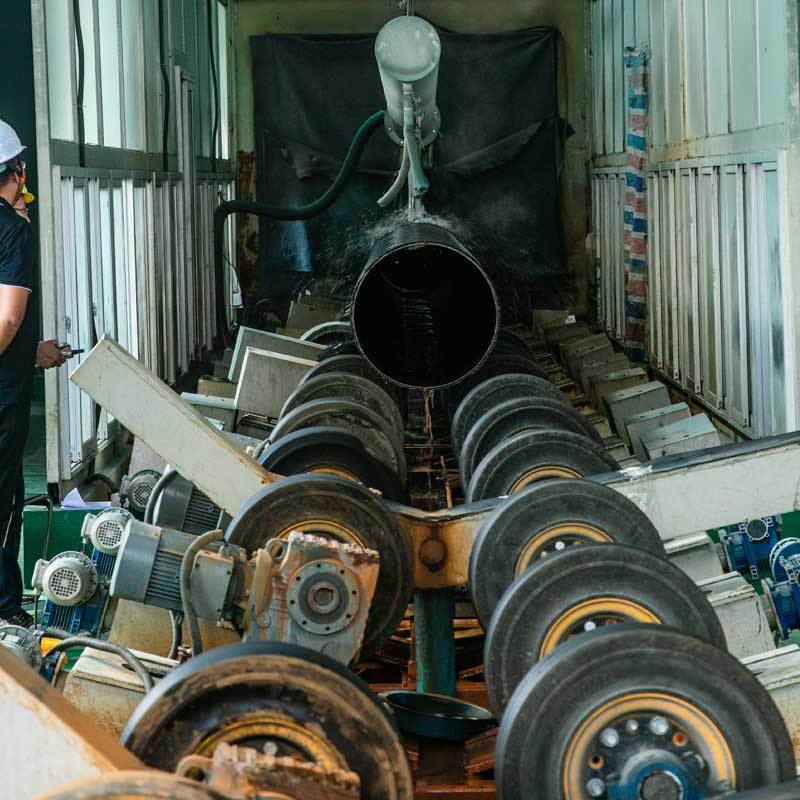
outside coating plastic
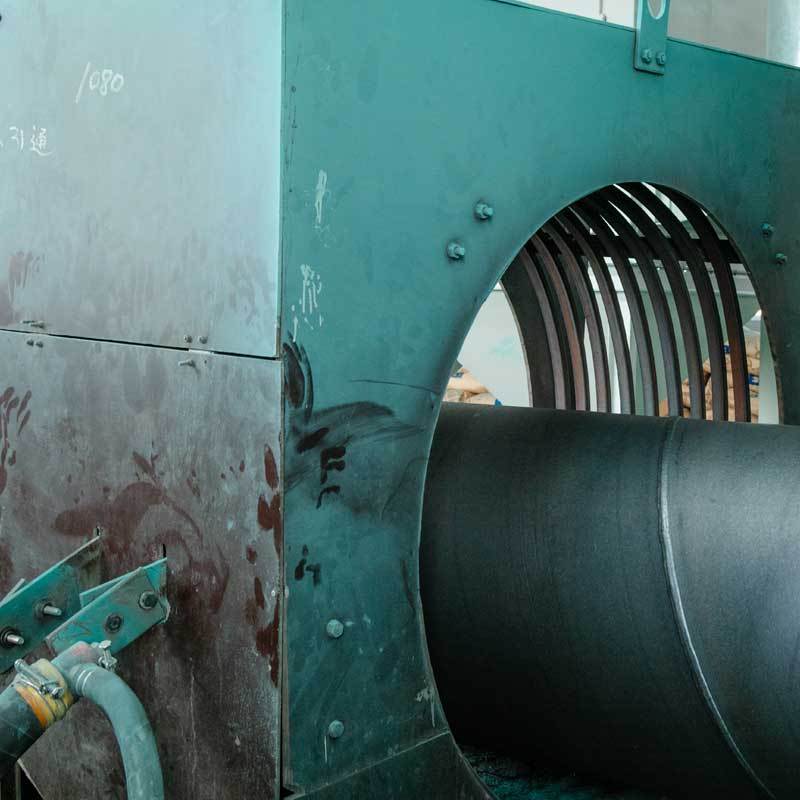
insulation steel pipe production lines
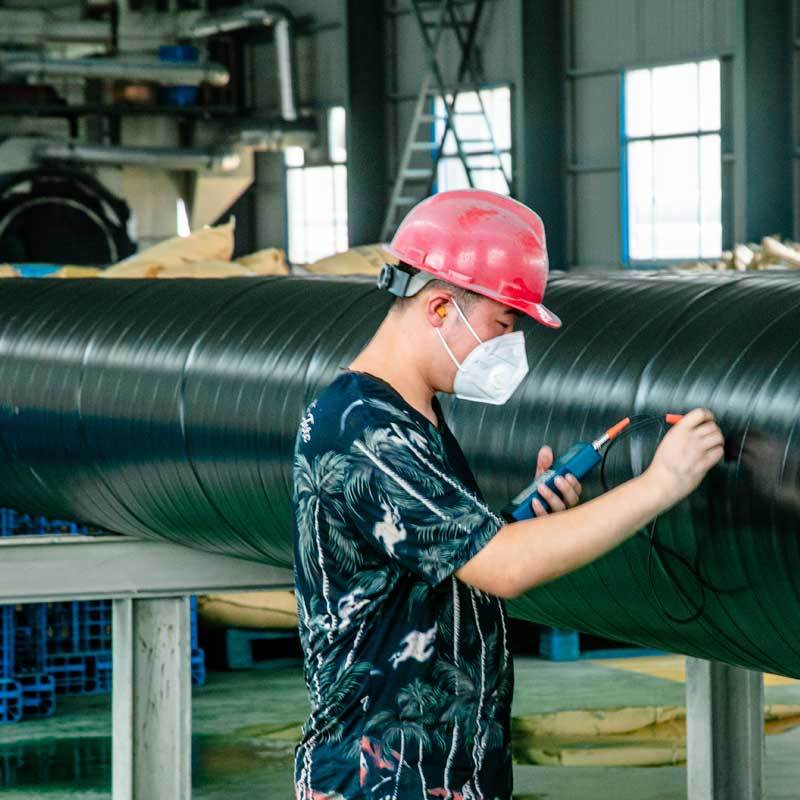
inside coating epoxy production lines
3LPE VS FBE: How To Choose?
| Coating Type | 3LPE(Three layer polyethylene) | FBE(Fusion bonded epoxy powder) |
| Coating structure | Bottom layer: FBE (>80-100 μ m) Middle layer: copolymer adhesive (170-250 μ m) Outer layer: High density polyethylene (1.8-4.7mm) | Single or double-layer epoxy powder coating |
| Standard Thickness | Total thickness 2.5 mm -4.5 mm | 350 μm – 600 μm |
| Applicable Standard | DIN 30670, ISO 21809-1, CSA Z245.21 | API RP 5L9, CSA Z245.20, ISO 21809-2 |
Applicable temperature | Maximum 80 ° C | Maximum 100 ° C |
Core Features | High mechanical strength, resistance to soil stress, extremely low water permeability, and a lifespan of up to 50 years | Strong adhesion, cathodic peel resistance, and chemical corrosion resistance |
Typical Applications | Underground long-distance pipelines, oil and gas pipelines, and scenarios with high requirements for mechanical damage | Water pipelines and moderately corrosive environments with high temperature requirements |
1. Three layer polyethylene (3LPE) coating
This is currently the most mainstream external anti-corrosion solution, combining chemical anti-corrosion of epoxy and physical protection of polyethylene.
Three layer structure:
FBE bottom layer: chemically corrosion-resistant, providing excellent adhesion.
Intermediate layer of copolymer: firmly bond FBE with PE layer.
PE outer layer: provides strong mechanical protection, resisting transportation and soil pressure.
Key advantages: high mechanical strength, extremely low water permeability, and a design lifespan of over 40 years.
2. Fusion bonded epoxy powder (FBE) coating
This is the most basic anti-corrosion method, which is also widely adopted by API standards.
Process: Epoxy powder is sprayed by electrostatic spraying, and after heating and curing, a coating is formed.
Key advantages: Excellent adhesion, strong resistance to cathodic delamination, and better temperature resistance than 3LPE. If the operating temperature exceeds 80 ° C, FBE may be a better choice.
API 5L PSL1 vs PSL2: Selection Guide
How to choose between PSL1 and PSL2 to solve the core confusion of customers? We provide you with the following suggestions and parameter attribute comparisons to facilitate quick decision-making and save time.
Quick Selection Guide:
Choose PSL1 for: Standard onshore pipelines, low-pressure water/oil transport, ambient temperature projects, and cost-sensitive applications .
Choose PSL2 for: Cross-country high-pressure gas lines, offshore/subsea pipelines, low-temperature regions (below -20°C), and sour service (H₂S) applications .
| Requirement | PSL1 (Standard Grade) | PSL2 (Advanced/Enhanced) |
| Applicable scenarios | Conventional onshore, low-pressure transportation, non acidic environment | High pressure, low temperature, offshore, acidic service environment (H ₂ S) |
| Strength requirements | Only specify the minimum yield strength and tensile strength | Simultaneously specify the minimum and maximum yield/tensile strength (controlling the yield strength ratio Y/T) |
| Chemical Composition | Carbon (C) ≤ 0.26%, sulfur (S) ≤ 0.030%, phosphorus (P) ≤ 0.030% | More stringent requirements: carbon (C) ≤ 0.22%, sulfur (S) ≤ 0.015%, phosphorus (P) ≤ 0.025% |
Impact toughness (CVN) | Non mandatory (unless otherwise specified in the contract) | Mandatory (full-size Charpy V-notch impact test) |
Non destructive testing (NDT) | as stipulated in the contract | Mandatory 100% UT/ET weld and base metal testing |
Traceability | Batch level (Heat level) | Trace one by one (Unit level, with independent furnace number stamp) |
Quality Warranty Certificate | optional | Mandatory EN 10204 3.1 or 3.2 certificate |
Applications
Our API 5L line spiral steel pipes are widely trusted in critical energy infrastructures globally: View our successful project cases in offshore subsea pipelines.
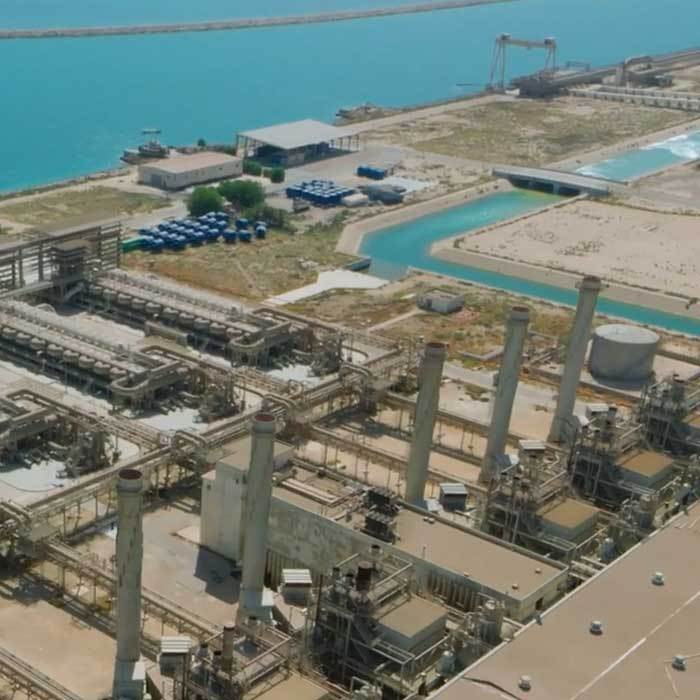
Seawater Desalination
Uesed For Seawater Desalination Project
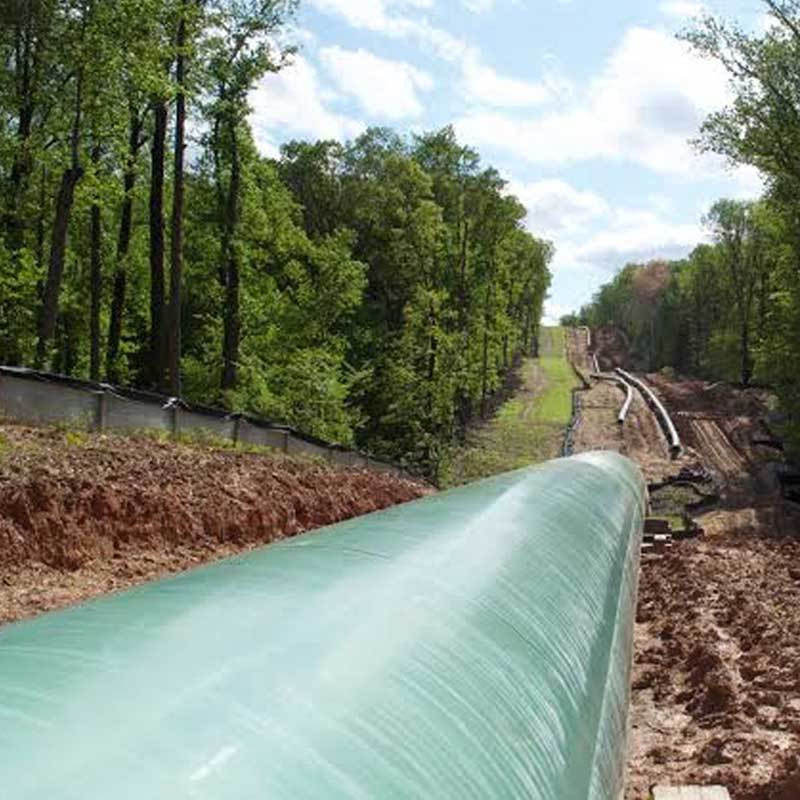
Oil & Gas Transmission
Long-distance pipelines for crude oil, natural gas, and refined products .
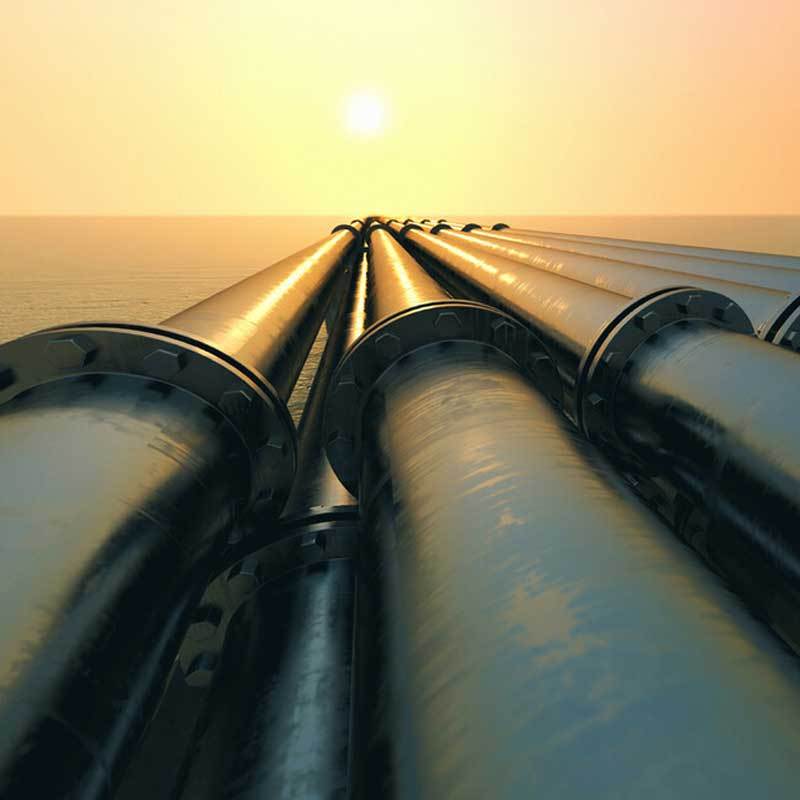
Offshore Subsea
Pipelines for deep-water well developments and shore approaches
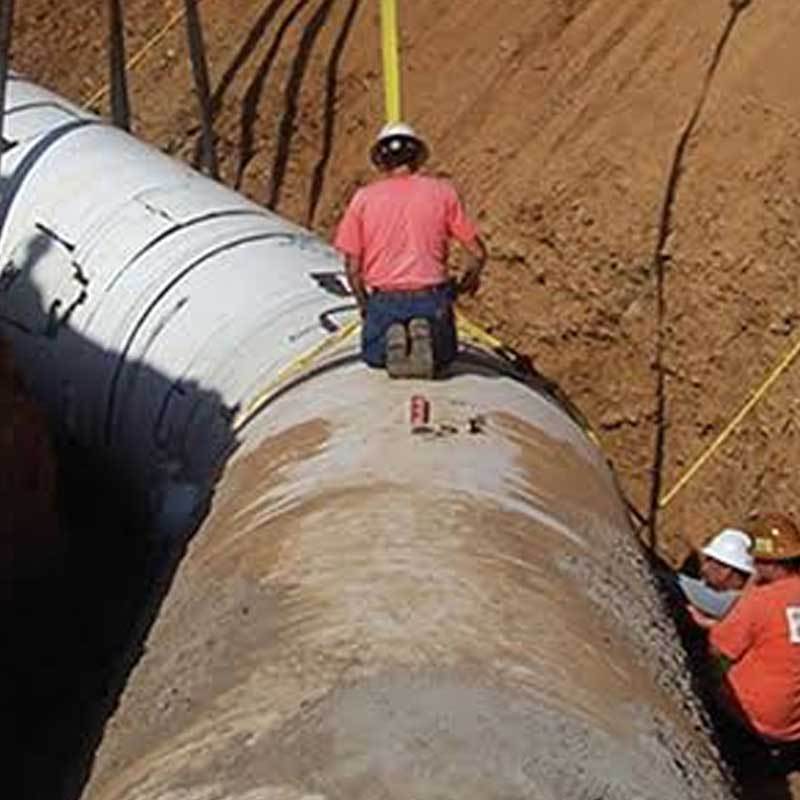
Water & Sewage
Large-diameter municipal water supply and industrial water diversion systems .
Quality Assurance
To ensure the highest level of pipeline safety, every single pipe undergoes a rigorous quality control process from coil to final inspection:
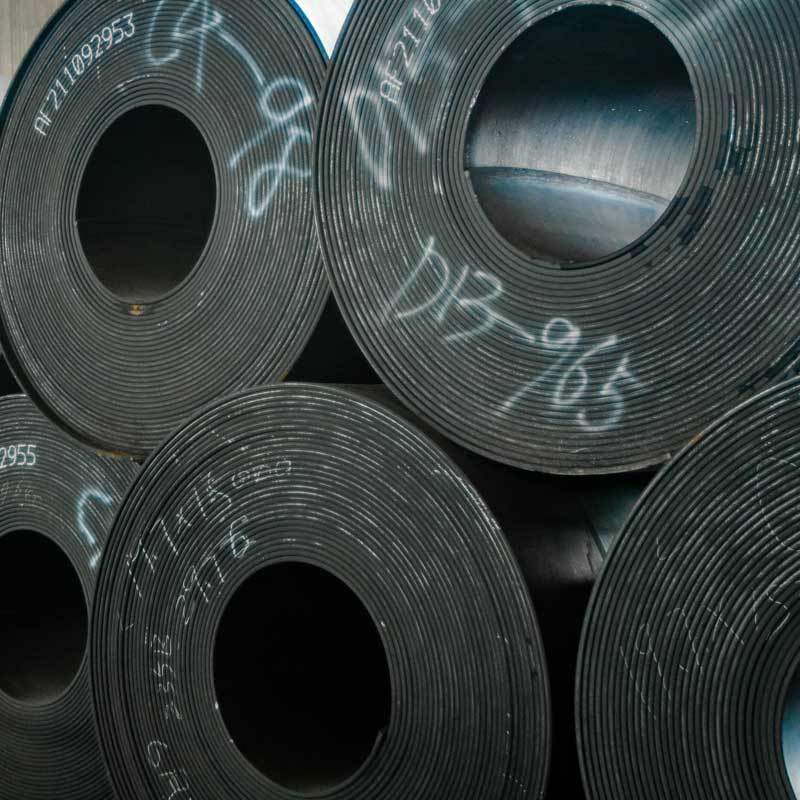
Raw Material Verification
Chemical composition and mechanical property testing of steel coils.
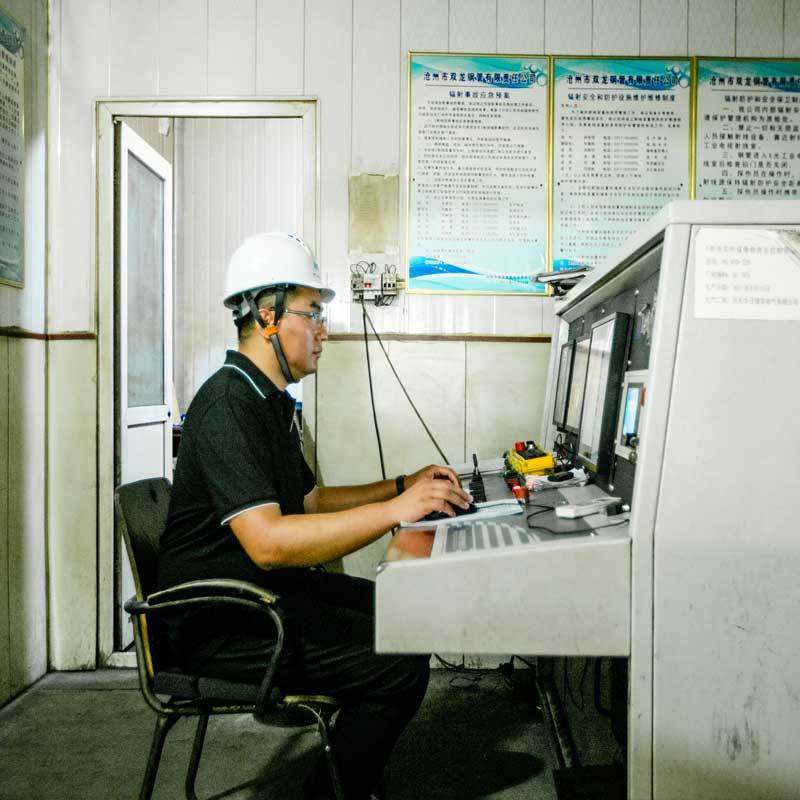
In-process Inspection
100% X-Ray testing of the spiral weld seam.
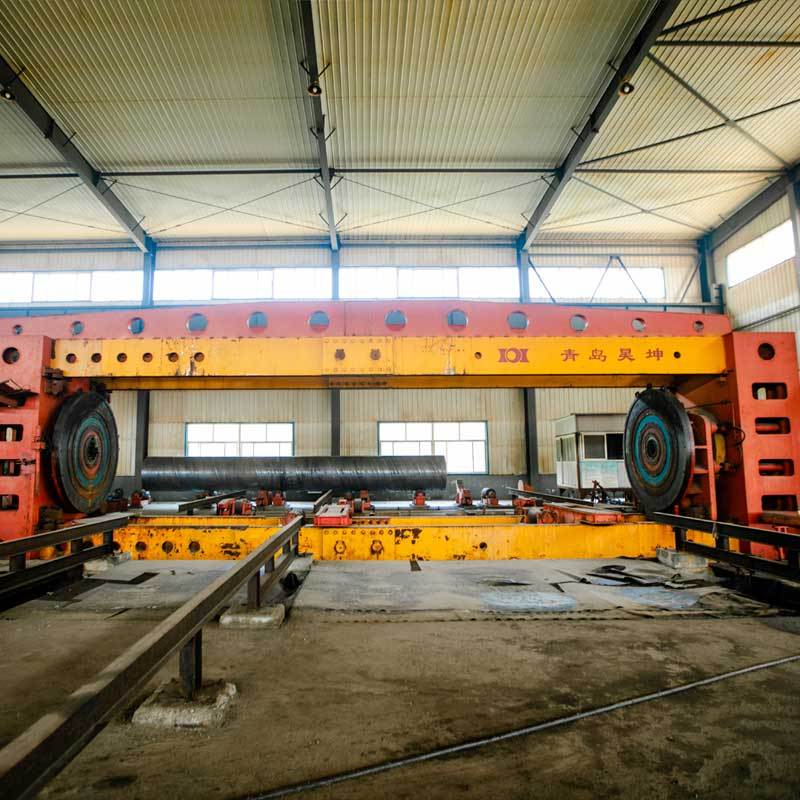
Hydrostatic Testing
Each pipe is hydro-tested per API 5L requirements.
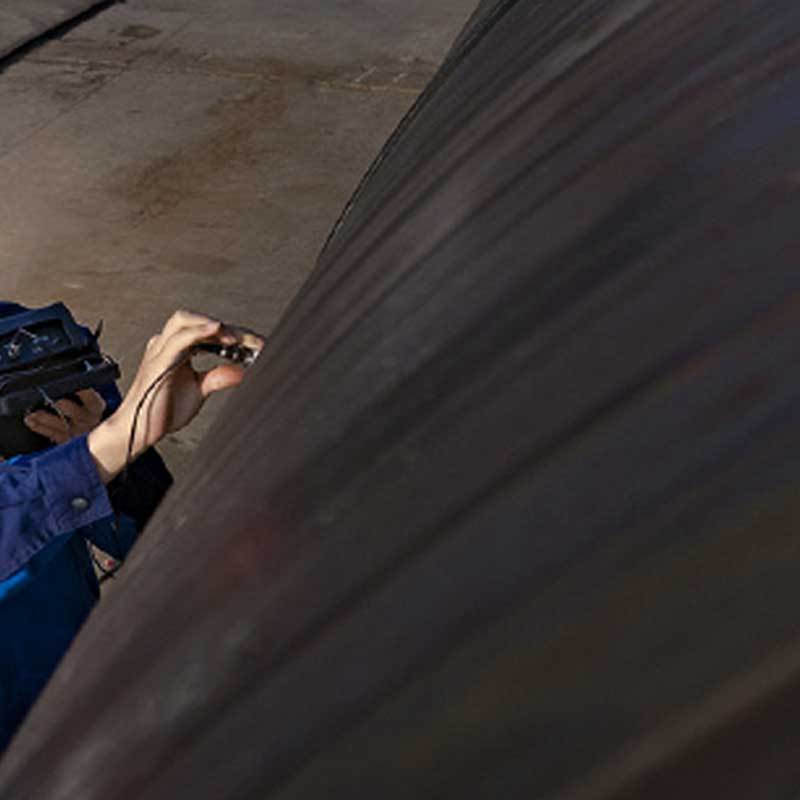
UT Testing
100% ultrasonic testing (UT) of the spiral weld seam
Final Dimensional Check: Ensure OD, WT, and length meet project specs.
Documentation: Complete mill test certificates (MTC) provided with every shipment.
Your Project Success is Our Priority.
Every pipe we ship is backed by our commitment to quality, traceability, and on-time delivery. Contact us to discuss your project requirements and receive a comprehensive technical proposal.
FAQ
What is the difference between SSAW (Spiral) and LSAW (Longitudinal) submerged arc welded pipes?
SSAW pipes are formed by spirally winding steel coils, making them ideal for large diameters (up to 3500mm+) and cost-effective for long-distance transmission. LSAW pipes are formed by bending a single steel plate, resulting in a straight seam. LSAW typically offers better dimensional consistency and is preferred for smaller diameters (e.g., 16"-24") and high-pressure, critical applications where a straight weld is required. The choice depends on your project's diameter, pressure, and budget requirements.
What is the maximum pressure rating for API 5L X70 steel pipe?
The maximum allowable working pressure depends on the pipe's wall thickness, diameter, and design factor. There is no single fixed pressure rating. For example, an X70 pipe (minimum yield strength 70,000 psi) with a 12.7mm wall thickness and 914mm OD can typically withstand operating pressures exceeding 10 MPa (1,450 psi) under standard design factors. We provide detailed pressure calculations based on your specific project parameters upon request.
Do you provide third-party inspection services?
Yes. We fully cooperate with leading third-party inspection agencies such as SGS, Bureau Veritas (BV), and Lloyds Register. We can arrange for their inspectors to witness all testing processes (NDT, hydrotest, etc.) at our factory. The inspection results can be included in the final Mill Test Certificate (EN 10204 Type 3.1 or 3.2).
What is your typical delivery time for API 5L line pipes?
Our standard delivery time is typically 30-45 days after receiving the deposit and finalizing all technical specifications. This timeline can be shortened for large-quantity orders with available raw materials, or extended for projects requiring special steel grades or custom coatings. Please contact our sales team for a schedule based on your exact requirements.
10 results
ViewShowcase
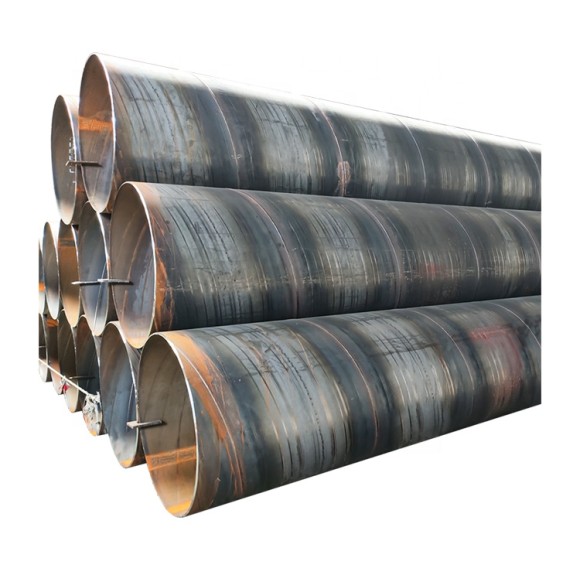
We can produce all kinds of API 5L X65 steel pipe,outer diameter:219-3260mm,length:1-30M,welcome global buyer inquiry and order
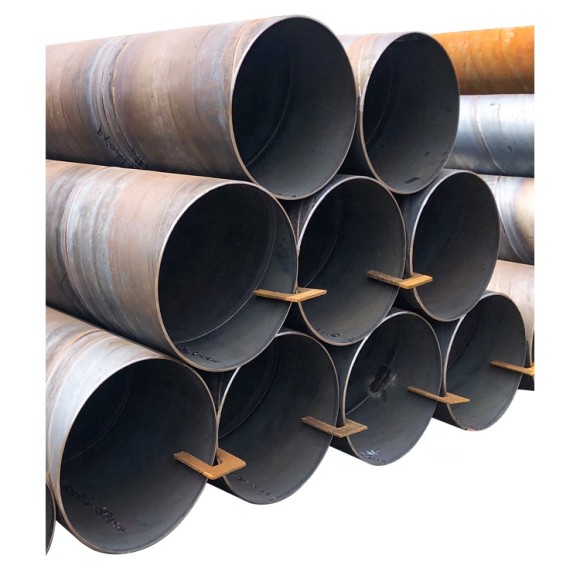
China Leading Spiral Welded Pipe Manufacturer – API 5L X42 SSAW Carbon Steel Pipe 219-3620mm for Oil/Gas Pipelines, Waterworks, Piling & Industrial Conveying – CNAS Lab, In-House Coating, 30m Max Length
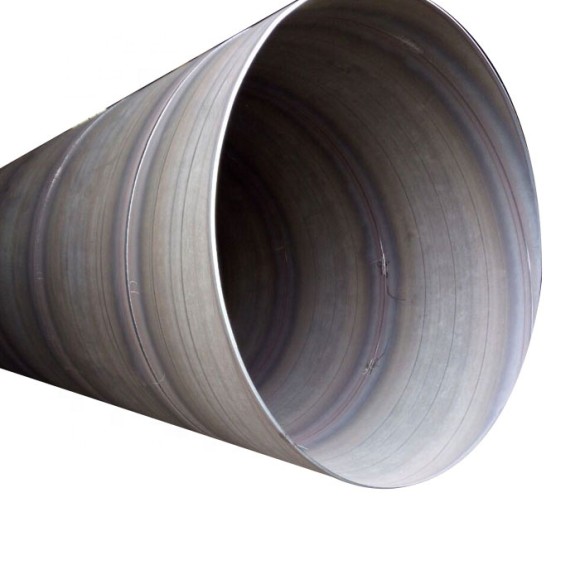
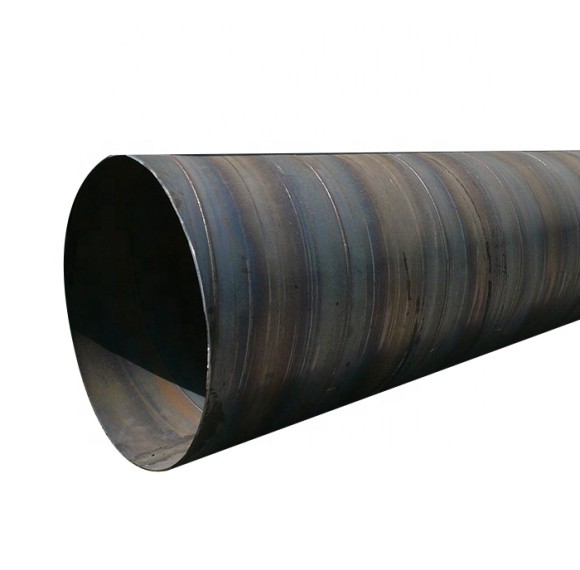
Cangzhou Spiral Steel Pipe Group is a high-strength large-diameter welded pipe designed specifically for long-distance pipelines of oil, natural gas, and high-pressure fluids.
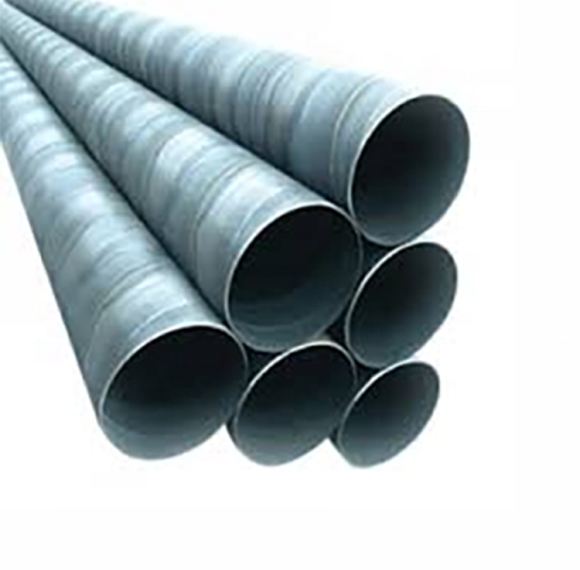
API 5L X65 (L450) SSAW pipe from Cangzhou Spiral Steel Pipe Group. 13 lines, 400,000 tons/year, CNAS lab, 3LPE coating.
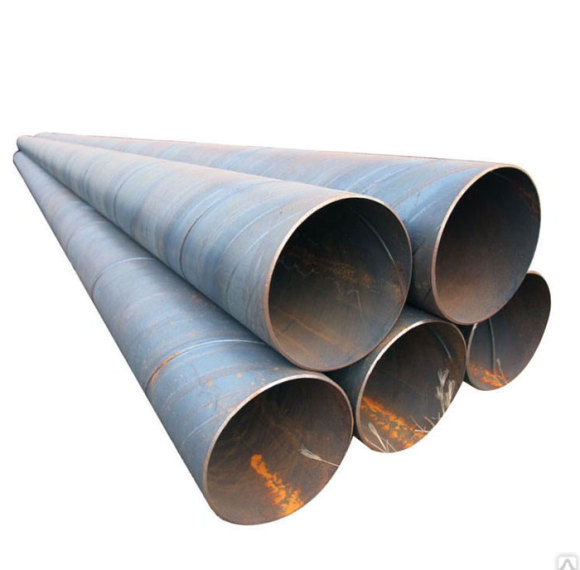
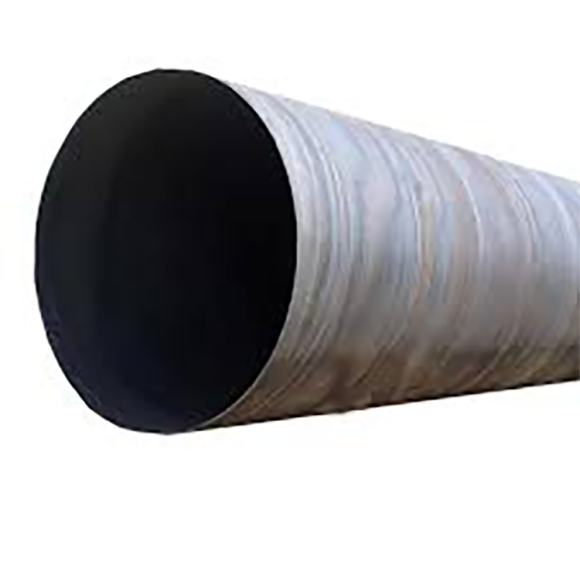
API 5L X52 pipe also called L360 Pipe, X52 (L360) named by minimum yield strength 52 Ksi (360 Mpa). It’s a medium grade in API 5L and ISO 3183 specifications, used for oil and gas pipeline transmissions.
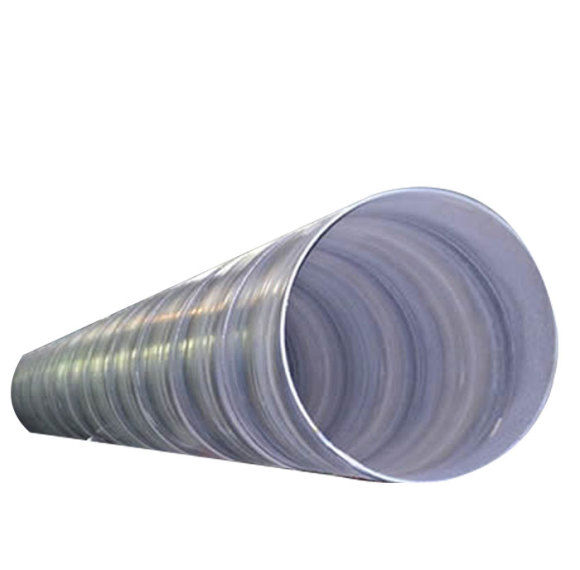
API 5L X46 pipe is a low to medium grade pipe material that meets the API 5L standard, also known as L320 pipe. These welded pipes have a minimum yield strength of 320 Mpa (46400 psi). The minimum tensile strength is 435 Mpa.
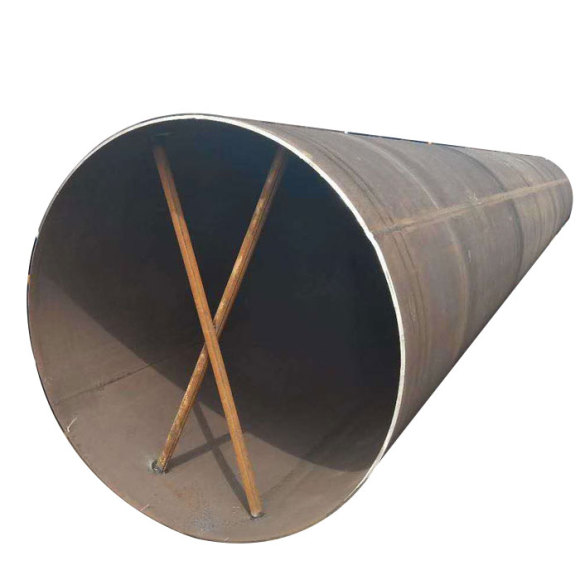
API 5L A106 Gr.B high quality Big diameter SSAW Spiral welded Oil and Gas Carbon Round Steel pipe
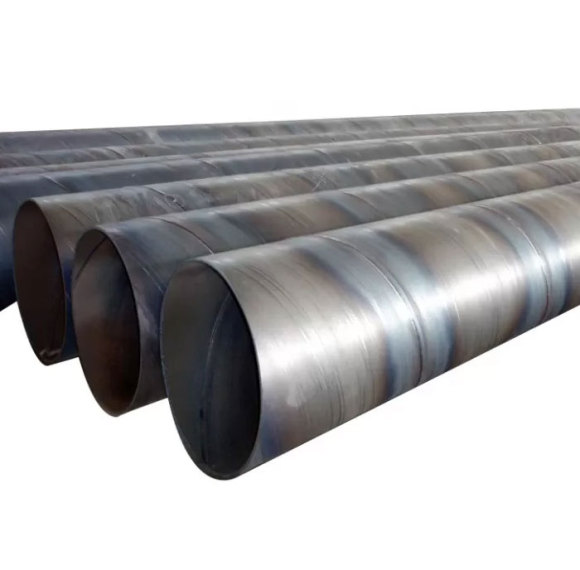
40 api 5l 3lpp coated steel spiral welded pipeSpiral Welded Carbon Steel Pipesteel pipe spiral welded