SSAW vs LSAW: Which Welded Steel Pipe Is Right for Your Project in 2026?
Many users of steel pipes face difficulties when selecting spiral-welded steel pipes and LSAW steel pipes. Making the wrong choice can result in cost overruns of 15–30% and may even compromise project safety and service life. By following the tips in this article, you’ll be able to make the right choice.
Differences In Definitions
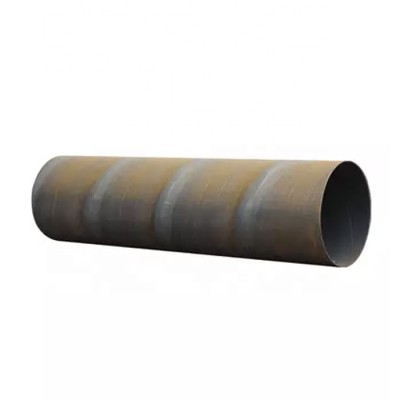
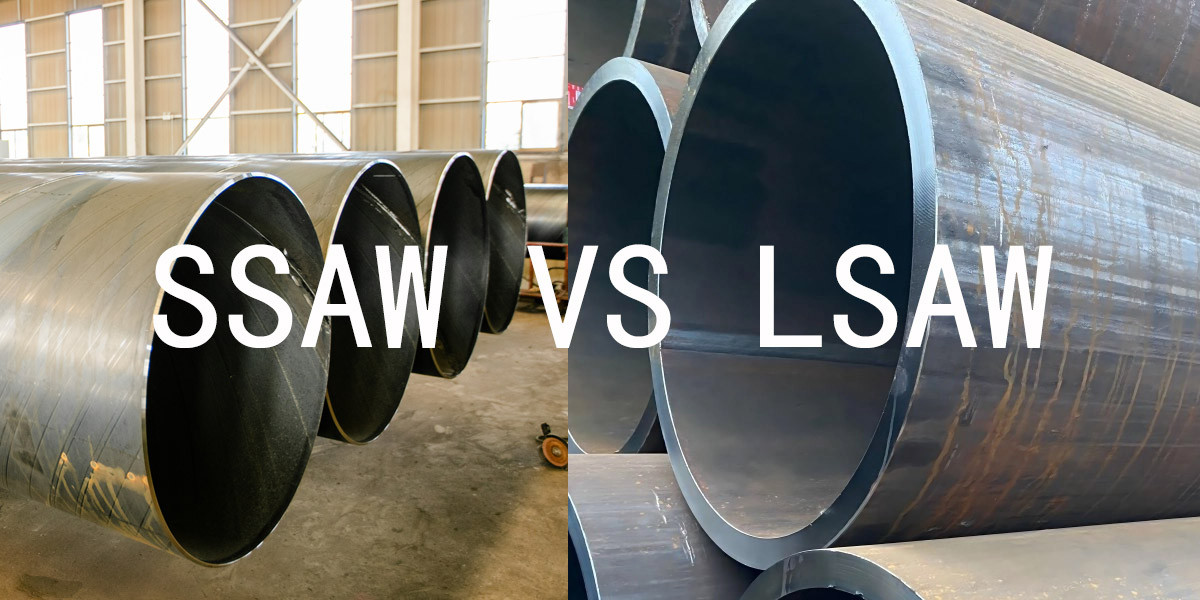
What Are SSAW Pipe? SSAW Pipe is fully called Spiral Submerged Arc Welded Pipe.The steel strip is spirally wound and welded along the spiral seam. The weld runs around the pipe at a certain angle.
What Are LSAW Pipes? LSAW Pipe is fully called Longitudinal Submerged Arc Welded Pipe. Bending and welding of individual steel plates along a single longitudinal seam parallel to the pipe axis.
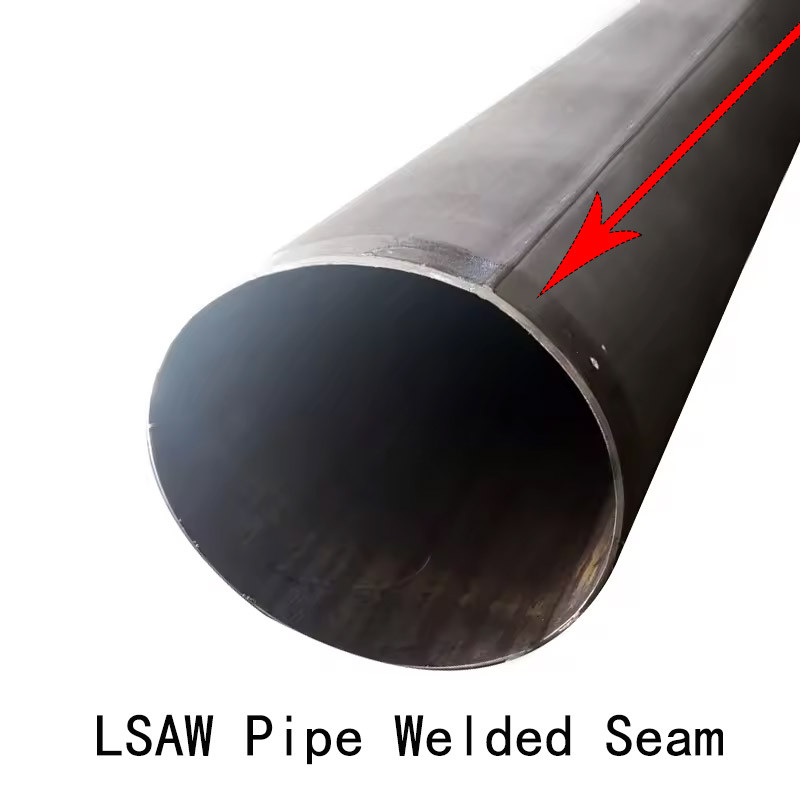
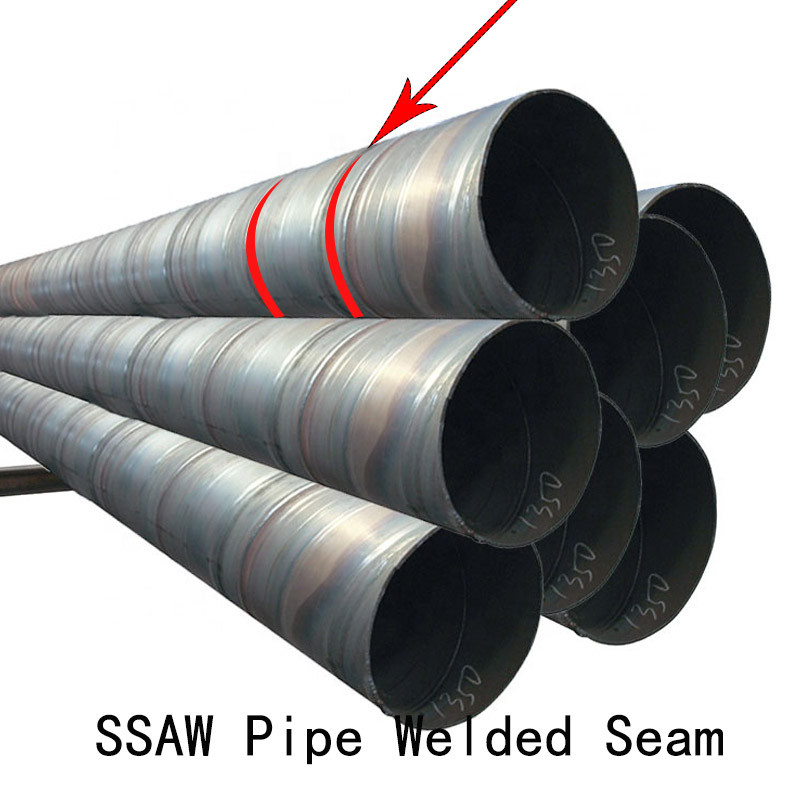
LSAW is built from plates with one straight weld;SSAW is rolled from coils with a continuous spiral weld.
Side-by-Side Comparison: Which One Wins?
| Name | SSAW (Spiral) | LSAW(Longitudinal) |
| Weld Orientation | Helical(spiral seam) | Longitudinal(straight seam) |
| Raw Material | Continuous steel coil/strip | Discrete steel plates |
| Size Range(OD) | 219 - 3500+ mm | 406 - 1524 mm |
Wall Thickness | 5 - 25 mm | 6 - 40+ mm |
Max Grade | API 5L X70 | API 5L X80+ |
Cost | Lower | Higher(15-30% premium) |
Production Speed | Fast | Slow |
Data source: Based on comparative analysis by industry authorities.
Main Points:
->A 15–30% difference in production costs is a key factor in procurement decisions, and readers need to clearly understand the sources of this variance.
->SSAW has a decisive advantage in maximum diameter (3,500 mm vs. 1,524 mm), while LSAW offers better performance in terms of wall thickness and high-strength grades.
Where Is Each Type Used? Application Guide
SSAW Pipe Applications
Water transmission and distribution:Spiral pipes are widely used in water supply projects due to their cost efficiency and large diameter capability。
Low-pressure gas distribution
Structural piling and casing:For bridge foundations, marine piling, and underground structures。
Culverts and drainage systems
Onshore oil & gas trunk lines:Spiral welded pipes account for about 60%-70% of onshore oil and gas pipelines,especially for diameters DN500 and above。
LSAW Pipe Applications
High-pressure oil and gas transmission pipelines
Offshore pipelines and risers:Deep-sea pipelines need to withstand high external pressure,where LSAW dominates。
Sour service pipelines(with HIC/SSC testing per NACE)
Applications requiring high-strength grades(X65, X70, X80)
Manufacturing Process & Quality Control: What You Need to Know
Core steps in SSAW manufacturing: Uncoiling from steel coil → Leveling and trimming → Spiral forming → Submerged arc welding (internal and external) → Continuous online ultrasonic automatic testing (100% non-destructive testing coverage) → Hydrostatic testing → Pipe end finishing.
100% non-destructive testing is a key selling point: All welds undergo continuous online automatic ultrasonic testing to ensure 100% non-destructive testing coverage.
Upgraded Quality Control: By 2025, artificial intelligence and machine learning technologies have been applied to spiral welded pipe production, capable of monitoring more than 15 parameters and reducing the defect rate by approximately 32%.
Core steps in LSAW manufacturing:
Steel Plate Trimming →Pre-Bending→Forged cold-forming→Pre-welding→Submerged arc welding along straight seams (internal and external) → X-ray non-destructive testing→Pipe end chamfer→Labeling and Putaway
How to Choose the Right Pipe for Your Project?
Checklist:
1.What is the operating pressure? → High pressure → LSAW;Low to medium → SSAW
2.What diameter do you need? → > 60 inches → SSAW is often the only viable option
3.What is your budget? → SSAW saves 15-30% on material cost
4.What standards must be met? → API 5L, ASTM A139, ASTM A252, EN 10217, ISO 3183
5.What are the logistics constraints? → Longer SSAW pipes mean fewer field welds
6.Is the pipeline onshore or offshore? → Offshore deepwater → LSAW preferred
7.What is the service environment? → Corrosive conditions may require coatings(FBE, 3PE)
FAQ:Common Questions About Spiral Welded Pipes
Q1:Is spiral weld pipe weaker than longitudinal weld pipe?
A:No. Modern SSAW pipes meet or exceed the weld quality of LSAW pipes thanks to advanced dual-submerged arc welding and 100% NDT. The spiral orientation actually distributes stress more evenly in many applications.
Q2:Can SSAW pipes be used for high-pressure applications?
A:SSAW is typically rated for low to medium pressure(up to API 5L X70),while LSAW handles higher pressures(X80+)。For standard water and gas transmission,SSAW is more than adequate.
Q3:What‘s the difference between SSAW, DSAW, and HSAW?
A:These terms overlap. DSAW refers to double-sided submerged arc welding(both inside and outside)。HSAW(helical SAW) is essentially the same as SSAW.
Q4:Which standards should I look for?
A:API 5L for oil & gas, ASTM A139 for general fluid transmission, ASTM A252 for piling, EN 10217/10219 for European projects, and ISO 3183 for international oil and gas applications。
Final Verdict:Making the Decision
If you need cost-effective, large-diameter pipes for water, gas distribution, or piling, choose SSAW。If your project demands ultra-high pressure, deep-sea service, or X80+ grades, choose LSAW。
Contact our engineers for a free consultation on your next pipeline project. We’ll help you compare pipe grades, coatings, and pricing tailored to your specifications。